


Page 116 - The Guide To Sarawak
P. 116
 114
THE ARTS
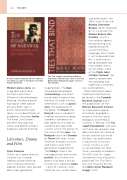
   A must-read biography. Vinson Sutlive’s revealing account of Sarawak’s last Iban Paramount Chief.
Modern dance styles are
in big demand at local functions and shows. Different kinds of ballroom dancing, line dancing and hip-hop or street dances
are very often seen in events around the major towns. A number of local art academies also teach ballet. The Karar Line Dancers
are often found giving shows and demonstrations, especially around Kuching.
Literature, Drama and Film
Oral Literature
Thanks to its great diversity, Sarawak has a strong tradition of oral literature, with historical narratives, legends and folk-tales passed down from generation
The Tun Jugah Foundation publishes important cultural texts such as the late Datin Amar Margaret Linggi’s work on Pua-Kumbu.
and published in the 1960’s and 70’s by the Borneo Literature Bureau (BLB), followed by its successor, the Dewan Bahasa dan Pustaka, which is
the national agency for preserving and coordinating the
use of the Malay language. Much more is yet to be published, but is continuously being recorded and transcribed thanks
to the tireless work of the Majlis Adat Istiadat Sarawak, the agency responsible for recording and codifying customary
to generation. The Iban
have professional bards (lemembang) who chant entire tribal histories from memory at major cultural ceremonies such as gawai antu, the celebration of
the dead. The Kayan and Kenyah have a wonderful tradition of praise-singing;
a poetess composes an
epic poem on the spot to welcome distinguished visitors, which she recites to the music of the sape. The Bidayuh have their Dondan or Tanun folk-tales, which entertain and pass cultural and moral values from generation to generation. The Malays share a rich heritage of oral and written pantun, allusive four-line poems that bear a distant kinship with Japanese haiku.
Some of Sarawak’s oral literature was written down
laws and traditions.
More information about
traditional literature can be found in the Sarawak Museum Journal and in the publications of the Borneo Research Council, an international group
of scholars engaged in research into the social, biological, and medical sciences in Borneo. The Tun Jugah Foundation, a private institution for research and documentation of Sarawak history and the culture of the Iban, has published a 4-volume Encyclopedia
of Iban Studies as well
as several books on Iban rituals, proverbs and poems. The BRC and Tun Jugah Foundation have also jointly published Ties That Bind: Iban Ikat Weaving by the late Datin Amar Margaret Linggi (2001).


