


Page 156 - Westport Guide To Malaysia
P. 156
 148 THE FASHION INDUSTRY
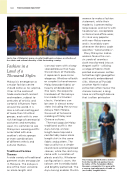
    Just a few of Malaysia’s many colourful traditional costumes, a reflection of the ethnic and cultural diversity of this fascinating country.
women to make a fashion statement, while their modesty is preserved by long sleeves and skirts with headscarves. Acceptable as formal and office wear, it is also very popular
with non-Malay women and is invariably worn whenever the dress code specifies “national dress”.
Many Malaysian Indian women favour the sari - six yards of seamless cloth transformed into an elegant outfit - utilizing
a range of fabrics from printed and woven cotton to feather-light georgettes and heavily embroidered silks. Woman of Punjabi
or other North Indian extraction often favour the shalwar kameez, a long knee or calf-length blouse that is often printed or
Fashion in a Land of a Thousand Styles
Malaysia’s emergence as
a major fashion centre should come as no surprise. It lies at the centre of
trade routes both ancient and modern, subject to centuries of artistic and sartorial influences from all over the world. It is
also a cultural melting pot of more than 50 ethnic groups, each with its own rich heritage of ceremonial costumes and everyday wear. It is common to see Malaysians wearing outfits associated with one- another’s ethnic groups
or even combinations of different ethnic and cultural themes.
Traditional Fashion Themes
A wide variety of traditional garment styles are popular in Malaysia. The kebaya is one of the most versatile; an ankle-length skirt
(sarong) worn with a long- sleeved blouse that hugs the contours of the body, it represents pure Asian elegance. Whether of batik or songket (a hand-woven Malay brocade fabric) or heavily embroidered on fine lawn, the exquisite handwork of the kebaya has made it a timeless classic. Variations can
be seen in almost every state, including the nyonya kebaya from Melaka,
the result of historical melding of Malay and Chinese cultures.
The most popular Malay traditional outfit is the
baju kurung, a knee-
length loose top and a comfortably loose ankle length skirt in the same fabric and pattern. The
top usually has a simple round neck and long broad sleeves, while the skirt may come with a variation of pleats and slits. Whatever configuration is worn, the colours are invariably bold and brightly patterned. The baju kurung enables Muslim
This Kebaya by Bill Keith is derived from the traditional garment worn by ladies of the Peranakan (Baba Nyonya) community. It is worn with a sarong, typically made of batik or (as shown) songket fabric.


