


Page 131 - The Guide To Sarawak
P. 131
THE GUIDE TO SARAWAK
129
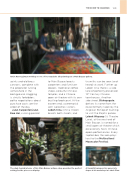
   Artist Narong Daun working on one of her exquisite silk paintings at a Main Bazaar gallery.
spirits and old brass cannons, complete with the proprietor lurking somewhere in the background. Haggling
is strictly forbidden; polite negotiations about purchase costs are the order of the day.
Jalan Carpenter/Jalan Ewe Hai, running parallel
to Main Bazaar, boasts carpenters and furniture dealers, traditional coffee shops, colourful Chinese temples, and a Chinese open air theatre with its own bustling food court. At the eastern end, a ceremonial arch welcomes visitors. Leboh Cina (China Street) bisects both streets, and
tinsmiths can be seen (and heard) at work. Further up Leboh Cina there is a side lane of perfectly preserved 19th Century Chinese townhouses. Another
side street, Bishopsgate, derives its name from the route formerly taken by the Anglican Bishop of Kuching to visit the Rajah’s palace. Leboh Wayang (lit. Theatre Lane), at the west end of Main Bazaar, is named for a small open-air theatre which occasionally hosts Chinese opera performances. Every September, the area plays host to the Multicultural Mooncake Festival.
A tinsmith hammers his wares into shape at his workshop in Leboh Cina.
       The dark, humid interior of this Main Bazaar antique shop provides the perfect setting for the pieces on display.


