


Page 244 - The Guide To Sarawak
P. 244
 242 NATURE
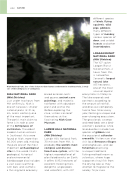
  Niah National Park, site of the oldest modern human settlement in Southeast Asia, is truly one of the birthplaces of civilization.
different species of birds, flying squirrels, wild pigs, gibbons, many different types of monkey, various species of deer, and untold insects and other invertebrates.
LOAGAN BUNUT NATIONAL PARK (Miri Division) The 107 sq km Loagan Bunut National Park, 2 hours from Miri, is named for Sarawak’s largest natural lake
(65 hectares), one of the most unusual aquatic
NIAH NATIONAL PARK
(Miri Division)
Just under two hours from Miri or Bintulu, Niah is
one of Sarawak’s smaller national parks at 31 sq
km, and is certainly one of the most important. The park’s main claim to fame is its role as one
of the birthplaces of civilization. The oldest modern human remains in Southeast Asia were found at Niah, more than 40,000 years old, making the park one of the most important archaeological sites in the world. Niah’s geological, historical
and environmental kaleidoscope also includes a vast cave swarming
with bats and swiftlets;
a thriving local economy
based on birds-nests and guano; ancient cave paintings; and majestic rainforest with abundant plant and animal life. Before exploring the cave, visitors can brief themselves at the fascinating Niah Cave Museum.
LAMBIR HILLS NATIONAL PARK
(Miri Division)
Lambir Hills National Park, 30 minutes from Miri, is probably the world’s most complex and diverse forest eco-system, with the highest recorded level of plant biodiversity on Earth. It offers 6,952 hectares of excellent trekking trails, delightful jungle pools
and waterfalls, with 237
ecosystems in Malaysia. The lake expands and contracts according to
the amount of rainfall,
and dries out completely two to four times every year, forming a unique and ever-changing ecosystem. The grasslands, swamps and reed-beds are a bird- watcher’s paradise, while land-dwellers include two species of gibbon and
the occasional saltwater crocodile. Visitors can also visit local Berawan villages and longhouses, and see fishermen practising
a unique traditional fishing method known as selambau, where huge scoop nets haul fish from the drying lake as they attempt to migrate to the nearby Tinjar river.


