


Page 32 - The Guide To Sarawak
P. 32
 30
INTRODUCTION TO THE STATE OF SARAWAK
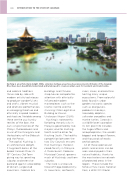
  Kuching is an architectural delight. While extensive heritage areas have been preserved, both banks of the Sarawak River have been beautifully modernized and landscaped to create an urban oasis for residents and tourists alike.
and colonial traditions
thrive side by side with modern artistic techniques to produce wonderful arts and crafts, vibrant musical and dramatic performances, an emerging literature and ethnically inspired modern architecture. Notable among these are the pua kumbu textiles of the Iban, the
kain songket textiles of the Malays, the beadwork and music of the Orang Ulu and the basketry of the Bidayuh and the Penan.
The capital, Kuching, is
an architectural delight.
It hugs both banks of the broad Sarawak River, its
19th Century Old Town giving way to sprawling suburbs and extensive parkland against a backdrop of distant, jungle clad mountains. Colonial Era
buildings and Chinese shop houses compete for attention with ethnically- influenced modern masterpieces such as the Islamic Centre and the stunning State Legislative Building or Dewan Undangan Negeri (DUN).
Kuching is noteworthy
for being the only city in Malaysia governed by two mayors; one for Kuching North and the other for Kuching South. The healthy competition between the two City Councils ensures that Kuching is the best- cared-for city in Malaysia.
A third council, Padawan Municipal Council, governs much of Kuching’s southern suburbs.
The state is a treasure trove of mega-biodiversity; its mountains, rainforests,
rivers, caves, and coastline hosting many unique ecosystems. From colourful birds found in urban gardens to iconic species such as orangutans, proboscis monkeys, Irrawaddy dolphins, saltwater crocodiles and marine turtles, Sarawak is
a wildlife lover’s paradise. Its rich plant life includes the huge rafflesia and amorphophallus, the world’s biggest and longest flowers, and thousands of exotic orchid species.
All of these spectacular plants and animals can be seen and enjoyed in their natural habitats, thanks to the most extensive network of protected areas in the region. These include the famous Mulu Caves National Park, a UNESCO World


