


Page 73 - The Guide To Sarawak
P. 73
THE GUIDE TO SARAWAK
71
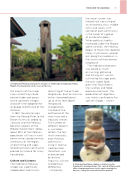
      A traditional Melanau burial pole (jerunei or kelidieng) in Kampung Tellian, Mukah. The burial urn can be seen at the top.
the social system was hierarchical, consisting of
an aristocratic class, middle ranks and slaves, with control of each community in the hands of a group
of aristocratic elders.
When political stability increased under the Brooke administration, the Melanau began to move into separate Malay-style houses, spread out along the riverbanks in the vicinity of their former longhouse.
The traditional economy was based as much
on hunting, gathering and fishing as it was on cultivating the sago palm, the only staple food
plant that flourished in
the swampy and flood- prone environment. The production of sago flour was mainly confined to the upriver villages - since it
the mouths of the major rivers where they could control trade and access
to the upstream villages, and over time adopted the language and lifestyle of the Melanau.
In 1861, the coastal area from the Rejang River to the Baram River was ceded to Sarawak and the Melanau became subjects of the Brooke Government. Today, about 80% of the Melanau population still lives in rural communities along the main waterways of the region, where fishing and sago- related activities continue to provide an income for many households.
Culture and Customs
The traditional Melanau village was a politically independent community
consisting of two or three longhouses, built on massive belian (ironwood) posts
up to thirty feet above
   the ground
and generally situated at the confluence of the main river and a tributary stream. The number of different dialects in use today reflects the fact that historically, each Melanau community - living in relative isolation from the others, was characterized
by distinct linguistic, cultural and political differences.
Historically,
A ritual healing figure (dakan or blum) used in shamanistic healing rituals. The carved effigy would offer a temporary home to the spirit causing the disease, easing its removal from the patient.


