


Page 258 - The Guide To Sarawak
P. 258
 256 AGRICULTURE
 Sago
Sago, the “starch crop of the 21st Century”, has been a major subsistence crop since prehistoric times. The Melanau people of central Sarawak have harvested wild sago for centuries, and indigenous tribes of the interior, including the Penan, the Kajang and
the Punan Bah, rely on
sago for much of their dietary requirements. However, the sago industry has undergone a major transformation in the last 20 years, as the government promotes it as a major export earner.
Sago is an environmentally friendly cash crop; it
thrives in peat swamp soils where few other plants
will grow, sago forests
are self-regenerating and remain undisturbed by harvesting, so global CO2 levels are unaffected. It is also reducing reliance on fossil fuels; sago yields more ethanol per hectare than any other biofuel crop, and can be used as feedstock for manufacturing high quality lubricants. The Japanese
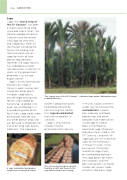
A sago log labelled and graded, ready for processing into starch.
The “starch crop of the 21st Century” - cultivated sago palms (Metroxylon sagu) in Mukah Division.
   Necfer Corporation plans to produce ethanol by constructing the world’s first sago-based biofuel manufacturing plant in Sarawak.
Sago is also making inroads into the pharmaceutical industry.
In Mukah, a pilot scheme is under way to manufacture maltodextrins (used in pills, capsules and food processing) and other complex starch derivatives using sago as a base.
Back in the Melanau heartland, sago influences everyday life as it did in the 19th Century. Long rafts of sago logs are still a common sight on the waterways
in Mukah Division. Small businesses still extract
and refine sago starch
by hand before baking it into sago pearls for home consumption, and the best-selling items at Mukah market are various types
of tebaloi, delicious sago
     The collected sago logs are bound together in rafts and towed to the sago mill for further processing.


