


Page 211 - Westport Guide To Malaysia
P. 211
THE GUIDE TO MALAYSIA 203
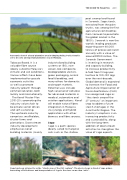
       Panoramic view of a kenaf plantation area in Chuping Valley, Perlis. Kenaf is set to become an important plantation crop in Malaysia.
Tobacco Board. It is a valuable fibre source ideally suited to Malaysia’s climatic and soil conditions. Various efforts have been implemented to upscale economic activities
as well as promote industry growth through commercialization, both locally and internationally.
The Kenaf Master Plan 2015-25 is promoting the industry value chain to be private sector driven and self-sustaining.
The upstream industry comprises smallholders, cluster farms and plantations. Downstream industry development emphasises kenaf building materials (mainly
industrialized building systems or IBS), non- woven, bio-composite, biodegradable utensils, green packaging, animal feed & bedding, and
many others for domestic and export markets. Potential uses include high-value kenaf cellulose for advanced materials in medical, automotive and aviation applications. Kenaf will enable natural fibres integration in Malaysia
via synergy and hybrid applications with other biomass and fibre sources.
Sago
Sago is a palm species ideally suited to marginal soils such as the shallow
peat swamp land found
in Sarawak. Sago starch, extracted from the palm trunks, was among the first agricultural commodities from Sarawak to penetrate the global market in the 1800’s. Sarawak is now the world’s leading producer, exporting over 40,000 tonnes of processed starch annually with a value of around RM90 million. The Sarawak Government
is investing in research
and capacity building,
to increase productivity 6-fold from 15 logs per hectare to 100–150 logs over the next decade. Global demand is expected to increase: the Food and Agriculture Organisation of the United Nations (FAO) has recognised sago as “the starch crop of the
21st century” an important crop to address future starch shortages in the Asia Pacific Region. The industry's emphasis is on increasing productivity and sustainability, along with the long-term addition of downstream activities to strengthen the value of sago exports.
          Sago has been referred to as the “starch crop of the 21st century”. The photo shows a stand of sago palms, harvesting of felled trees and transportation of logs to the river on wooden “rails”.


