


Page 83 - The Guide To Sarawak
P. 83
THE GUIDE TO SARAWAK
81
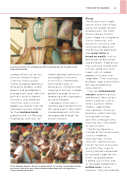
      A varied selection of Lun Bawang crafts, featuring delicate beadwork and elaborate basketry.
Bisaya
The Bisaya live in single houses much like a Malay kampung, except for one longhouse on the Tutoh River in Baram District. Each village has a headman (tatuo kampong), with penghulu, pemanca, and temenggong above him. The Bisaya are egalitarian, and social status is
based on wealth, such as possession of brassware and buffaloes. Traditionally they cultivate swamp and hill rice, along with cash crops such as rubber, pepper, fruit trees and vegetables. They also raise buffaloes, pigs and chickens for sale and domestic consumption.
They are skilled basket weavers, producing mats and baskets from various forest materials such as rattan, bamban (arrow shoots), sago fronds,
and tree bark. These are primarily used in farming, fishing and hunting activities, although a few may end up in the market as tourist items.
The Bisaya observe a number of festive occasions such as weddings, thanksgivings (makan selamat), and the annual harvest festival (babulang), on which they sing the anding, ballads composed by the lead singer for the event, accompanied by
a dance, alai anding, and
at the larger celebrations, buffalo races (lumba karabau). They are talented
number of festivals, or irau, of which the best known
is the irau meka ngadan (name-changing ceremony) among the Kelabits, where parents and grandparents change their names after the birth of a child. As devout Christians, they celebrate Christmas, and in a much bigger way, Easter. They are talented musicians, famous for their bamboo bands, especially the Lun Bawang. Traditionally animistic, the
whole highlands community converted to Christianity
in the 1930’s. Nevertheless, most Kelabit and Lun Bawang will still refrain from laughing at animals, a taboo powerful enough to turn a longhouse and its occupants to stone if broken.
Nowadays the church is
the focal point of community life; social events, farm work, and development activities are organized through the church network.
    A Lun Bawang bamboo band (or ngiup suling). For major community festivals such as the Irau Aco, more than a hundred musicians will join together to create haunting melodies.


